How to read the landscape
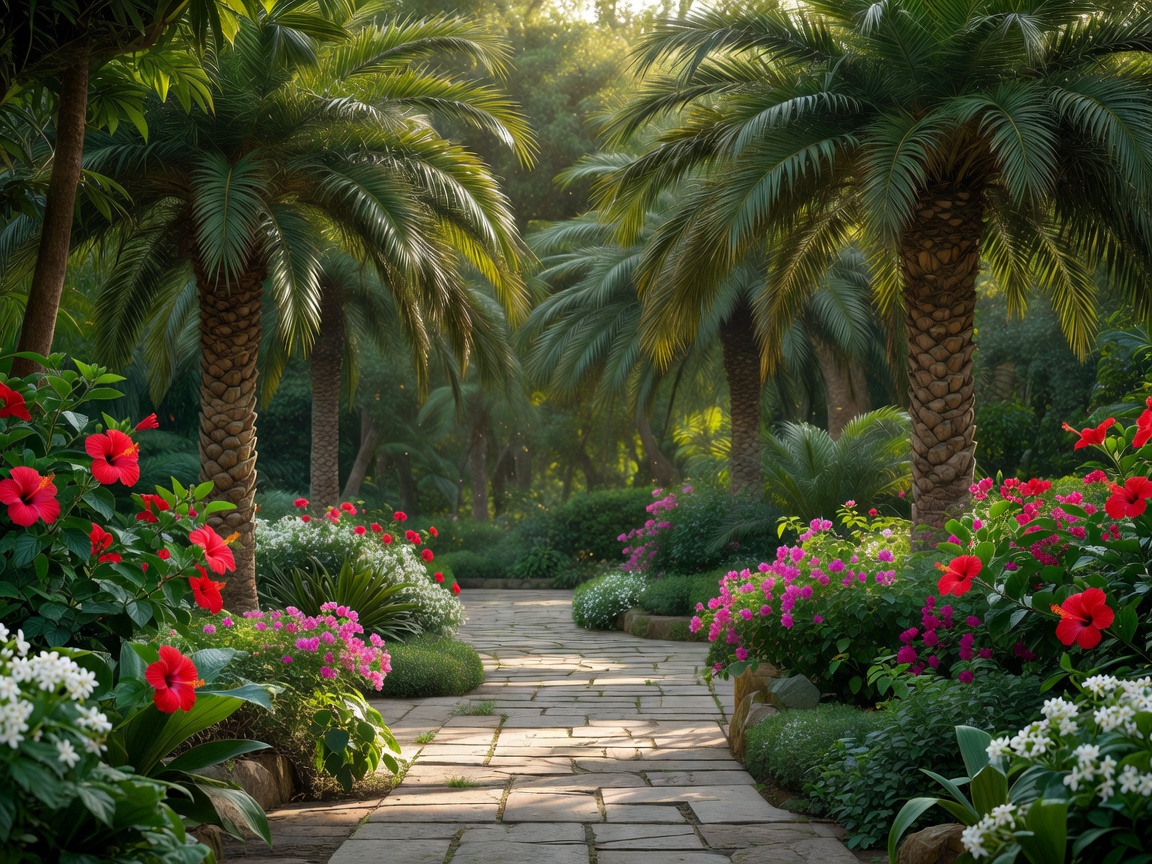
Look for the spaces between the headline facilities. A planted path can be the quickest route between breakfast and the beach, but it can also be the best place for a short walk after dinner. Palm canopies create a strong Mediterranean identity, while low planting and textured grasses soften the edges of buildings and pools.
Garden-facing rooms may offer more visual calm than those nearest entertainment areas, although the exact experience depends on balconies, service routes and seasonal events. If quiet matters, request a room away from evening venues and ask whether the view includes a garden, pool or access path. A garden view is not automatically silent, but it often feels less exposed than a busy pool outlook.
Comfort in warm weather
Use shaded routes at midday and save open terraces for early morning or later afternoon. Hydrate even during a short walk, particularly when humidity is low and the breeze disguises heat. Families benefit from the garden’s natural landmarks, but young children should stay close around water features and uneven paving.
Accessibility and maintenance
Landscaped resorts can include ramps, level paths and resting points, yet planting can also introduce gravel, steps and narrow transitions. Guests using wheelchairs or mobility aids should request an accessible route map and room location before booking. Ask about current maintenance work if you are sensitive to noise or fragrance. Responsible gardens may use drought-tolerant species and efficient irrigation, but local water policies and seasonal conditions still matter.
Pros and limitations
- Pros: natural shade, visual privacy, cooler routes, quieter seating and an authentic sense of place.
- Limitations: insects, uneven surfaces, occasional maintenance noise and longer routes between facilities.
Give the gardens one unplanned hour. The reward is often the detail you miss when moving directly between room, pool and restaurant.