What to expect
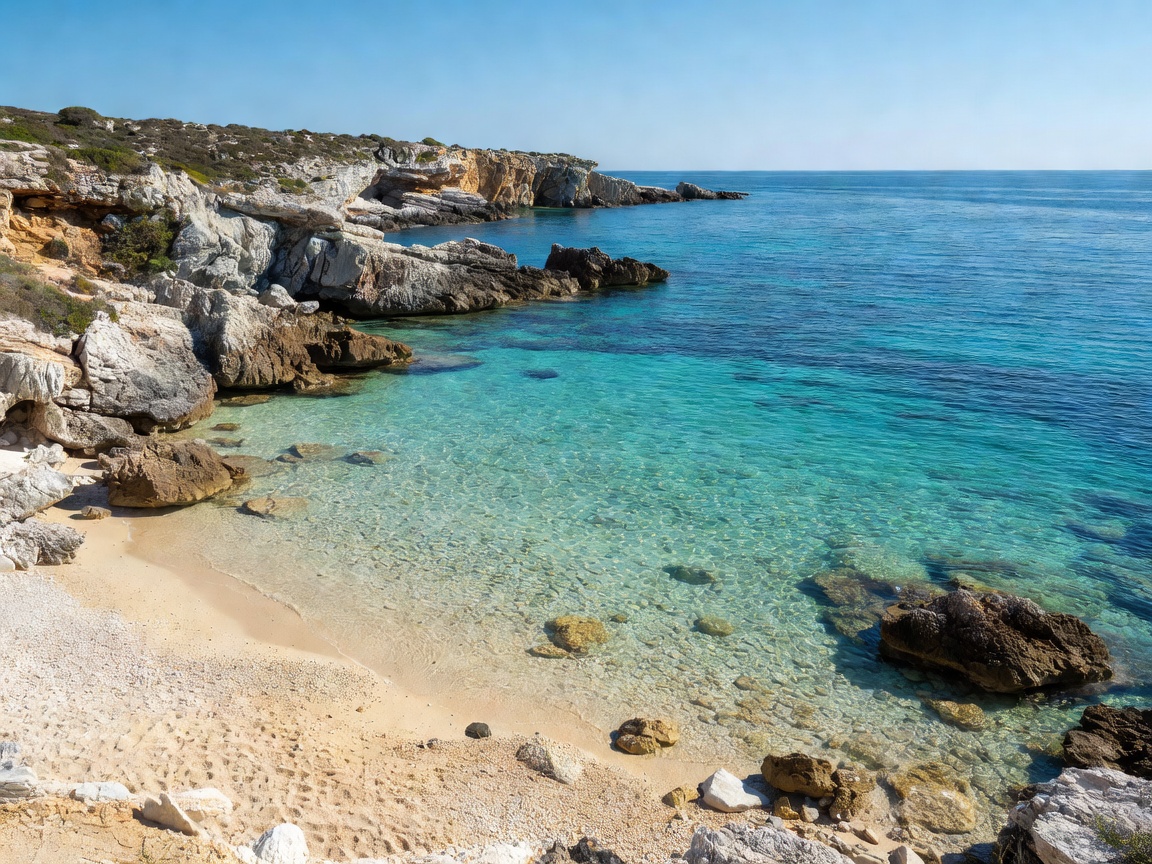
Costa Brava beaches vary quickly. One stretch may be broad and sandy, while the next is a small cove reached by steps or a coastal path. The hotel’s beach connection is valuable because it turns a sea swim into a low-effort part of the day rather than a separate excursion. Bring only what you need, check the return route and keep valuables secured in your room.
Morning is typically best for a calm swim and softer temperatures. By afternoon, exposed beaches can feel hotter and busier, while the water may become livelier. Families should check the day’s flag system and stay within supervised areas where available. Rocky entries reward water shoes; sandy beaches are kinder to bare feet but can still contain shells and hot patches.
Choosing between nearby beaches
Choose the closest accessible beach when your priority is convenience, frequent swims or a short day with young children. Choose a quieter cove when your priority is scenery and snorkelling. Choose a larger town beach when you want cafés, paddle rentals and easier public transport. The trade-off is simple: smaller coves offer character but fewer services; developed beaches offer facilities but less privacy.
What to pack
Use a small day bag with water, a quick-dry towel, sun protection, a secure phone pouch and a light layer for the walk back. Reapply sunscreen after swimming, even when the breeze makes the temperature feel mild. If you plan to snorkel, bring a well-fitting mask rather than relying on last-minute rental availability. Avoid taking glass, and follow local guidance about protected marine areas.
Pros and limitations
- Pros: genuine coastal scenery, easy variety, sunset walks and a natural alternative to the pools.
- Limitations: uneven paths, wind, seasonal crowds and fewer accessible amenities at smaller coves.
A strong two-day pattern is one resort morning, one beach afternoon, then a second day exploring a different cove. That gives you the coast without making every hour logistical.